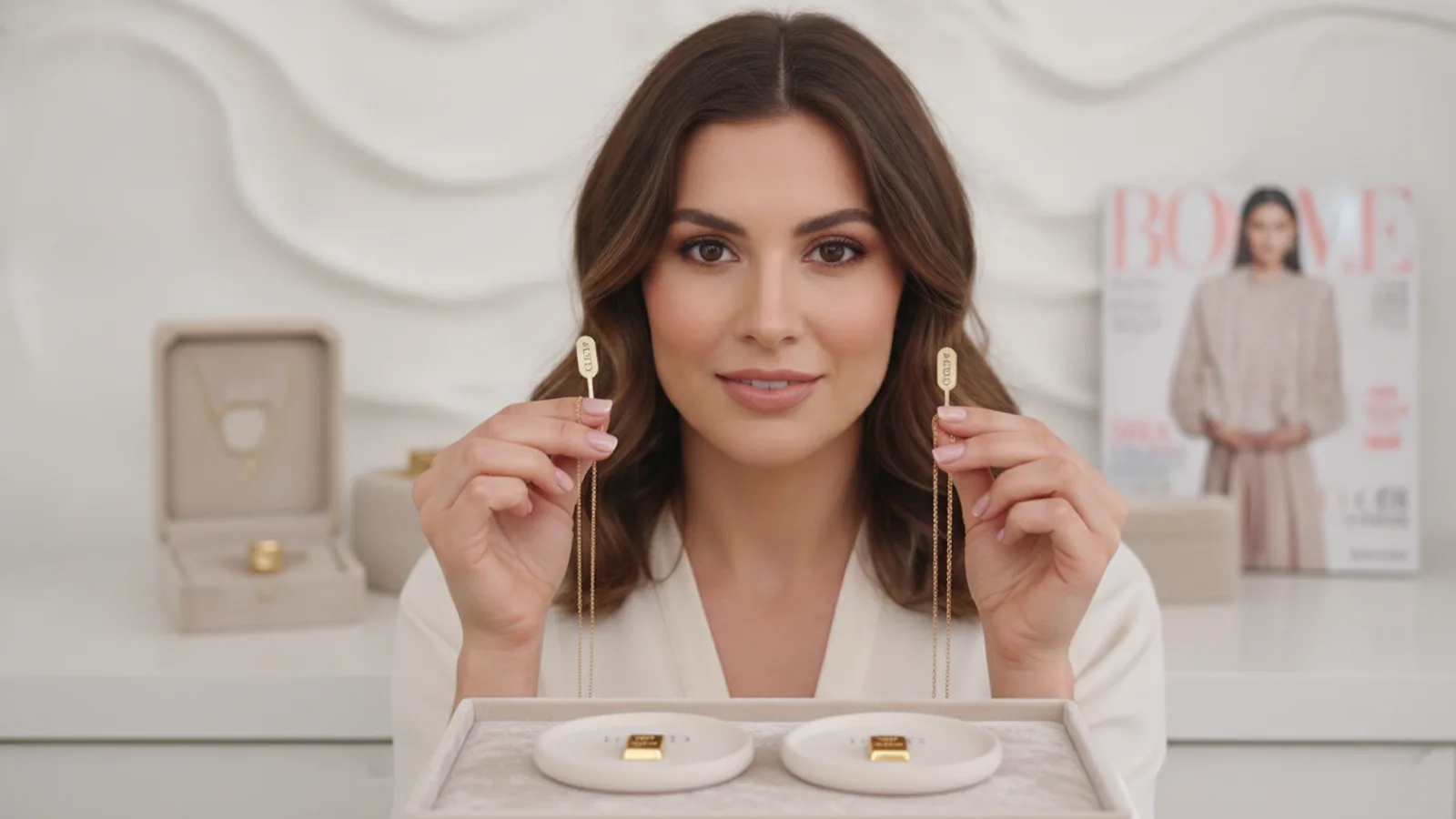
How To Wear Jewelry
A practical step-by-step guide to how to wear jewelry, including preparation, instructions, common issues, tips, and next steps.

How To Wear Jewelry
Learning how to wear jewelry can elevate your style, adding personality and polish to any outfit. This guide will walk you through choosing, combining, and styling your favourite pieces for daily wear, special occasions, and everything in between. Whether you're a beginner or looking to refine your look, discover simple steps to make your jewelry shine and express your unique style with confidence.
Fast Answer
- Core Principle: Balance & Personal Expression
- Starting Point: Choose one focal piece
- Key Rule: Consider the occasion
Before You Start
- A selection of your current jewelry: Gather your necklaces, earrings, bracelets, and rings. This helps you see what you have to work with.
- Understanding of your personal style: Think about what clothes you usually wear and what aesthetic you gravitate towards (e.g., minimalist, bohemian, classic, edgy).
- Knowledge of the occasion: Consider if you're dressing for a casual day, a work event, or a formal evening out. Different events call for different jewelry choices.
- Clean jewelry: Ensure your pieces are clean and sparkling. Dirt or tarnish can dull even the most beautiful items.
Step-by-Step Instructions
Understand Your Style and the Occasion
Before selecting any piece of jewelry, take a moment to consider your personal style and the event you're dressing for. Your jewelry should complement your outfit and the overall mood. For a casual day, subtle pieces like small studs or a delicate pendant might be perfect. For a formal evening, you might choose more statement pieces such as chandelier earrings or a bold necklace.
Think about the overall aesthetic you want to achieve. Are you aiming for sophisticated, playful, understated, or glamorous? Let your jewelry choices reflect this. A minimalist wardrobe often pairs well with delicate, refined jewelry, while a bolder fashion sense can handle more substantial or colourful pieces.
Choose a Focal Point
A key principle in how to wear jewelry effectively is to often choose a single focal point. This means selecting one dominant piece that draws attention and then keeping other accessories more understated. For example, if you wear a large, intricate necklace, you might opt for simple stud earrings and no bracelet. If you have bold statement earrings, a delicate chain or no necklace at all would be ideal.
This approach prevents your look from becoming too busy or overwhelming. Your focal piece should stand out without competing with other items. This creates harmony and allows each piece to be appreciated individually while contributing to the overall aesthetic.
Master Layering Necklaces
Layering necklaces is an art that can add depth and interest to your neckline. The trick is to vary the lengths and sometimes the styles of your necklaces to create a staggered effect. Start with your shortest necklace, perhaps a choker or a dainty chain that sits high on your collarbone. Then, add a slightly longer chain, ensuring there's enough space between them to prevent tangling.
You can mix different chains, some plain and some with small pendants, or even different textures. Aim for 2 to 4 necklaces at varying lengths for the most polished look. Always check that the pendants don't overlap or clump together when you move. This technique works especially well with V-neck or open-collar tops.
Stack Bracelets and Rings Mindfully
Stacking is another fantastic way to wear multiple pieces while maintaining a chic look. For bracelets, combine different textures, widths, and materials. You might pair a delicate chain bracelet with a bangle and a beaded bracelet. Keep a consistent metal tone (e.g., all gold or all silver) for a more sophisticated stack, or deliberately mix metals for a modern, eclectic vibe.
When stacking rings, consider distributing them across different fingers or varying their placement on one finger (e.g., a simple band on your base knuckle and a midi ring higher up). Avoid stacking too many chunky rings on one hand, as this can feel heavy. A good rule of thumb is 3-5 rings per hand, depending on their size and your personal comfort.
Choose Earrings to Complement Your Face and Hair
Earrings have the power to frame your face and draw attention to your features. Consider your face shape:
- Round faces: Long, dangling earrings or angular designs can help elongate your face.
- Oval faces: Almost any style works well.
- Square faces: Hoops or rounded designs can soften strong jawlines.
- Heart-shaped faces: Drop earrings that are wider at the bottom can balance your features.
Your hairstyle also plays a role. If your hair is up, statement earrings can truly shine. With hair down, smaller studs or hoops might be more practical and less likely to get tangled. If you have multiple piercings, you can create an "ear stack" by combining different sizes and styles of earrings, from simple studs to delicate huggies.
Mix and Match Metals Confidently
The old rule about not mixing gold and silver is outdated. Today, mixing metals is a popular and chic way to wear jewelry. The key is to do it intentionally. You can mix warm tones (gold, rose gold) with cool tones (silver, white gold, platinum) by having one dominant metal and incorporating the other as an accent. For example, wear mostly gold pieces but include a silver ring or a two-tone watch.
Alternatively, create balance by having an equal presence of both. A layered necklace stack could feature both gold and silver chains, or you could wear gold rings on one hand and silver on the other. This adds a modern, fashion-forward edge to your look and allows you to wear all your favourite pieces without feeling restricted.
Consider Your Outfit's Neckline
Your outfit's neckline is crucial for determining which necklace will look best.
- V-neck: V-shaped necklaces or delicate layered chains that follow the V-shape work beautifully.
- Round neck/Crew neck: Shorter necklaces, chokers, or statement pieces that sit above the neckline are ideal.
- Strapless/Off-the-shoulder: This offers a fantastic canvas for statement necklaces or large, elaborate earrings, as the neckline provides minimal distraction.
- High neck/Turtleneck: Long pendant necklaces or lariat styles can elongate the body and break up the fabric.
- Sweetheart/Scoop neck: Delicate curved necklaces or pendants that echo the neckline's shape are very flattering.
Matching your necklace to your neckline ensures harmony between your clothing and your jewelry, creating a polished and thoughtful ensemble. Avoid necklaces that disappear into your top or compete directly with the cut of the fabric.
Practise the "Take One Thing Off" Rule
When you feel like you might have gone overboard, remember Coco Chanel's famous advice: "Before you leave the house, look in the mirror and take one thing off." This isn't a hard and fast rule, but it's an excellent guideline for ensuring your look is polished, not cluttered. Sometimes, removing just one extra bracelet, ring, or an earring can transform a busy outfit into an effortlessly chic one.
Stand back and look at your entire reflection. Does every piece of jewelry feel necessary? Is there a piece that distracts rather than enhances? Trust your intuition. It's often about finding the right balance where your jewelry enhances your look without overwhelming it.
Prioritise Comfort and Practicality
No matter how beautiful a piece of jewelry is, if it's uncomfortable, you won't want to wear it. Ensure your rings fit well without being too tight or too loose. Necklaces shouldn't pull at your skin or get caught on clothing. Earrings should be lightweight enough for prolonged wear, especially if they are larger statement pieces.
Consider your daily activities. If you work with your hands, large rings or bangles might be impractical. If you exercise regularly, remove delicate items that could get damaged or cause injury. Practicality ensures that your jewelry can be enjoyed daily and becomes a seamless part of your personal style, rather than a hindrance.
Quick Reference
| Situation | Use this | Why |
|---|---|---|
| Daily wear (casual) | Delicate studs, a single pendant necklace, a slim watch | Understated elegance, practical for everyday activities. |
| Formal event | Statement necklace (with simple earrings) OR statement earrings (with simple necklace) | Creates a focal point without being overly busy; suitable for evening glam. |
| Layering necklaces | Varying lengths (e.g., 35cm, 45cm, 55cm) with different pendants | Adds depth and interest, prevents tangling, creates a curated look. |
| Office attire | Classic pearls, simple gold/silver hoops, a structured bracelet | Professional and polished, conveys sophistication without distraction. |
| Adding colour | Jewelry with gemstones (e.g., emeralds, sapphires) or colourful enamel | Injects personality and can complement or contrast with your outfit. |
| Mixing metals | Combine gold and silver pieces, or use a two-tone item as a bridge | Modern and fashion-forward; allows for greater versatility with your collection. |
Common Problems When You How To Wear Jewelry
Problem: Over-accessorising and a Cluttered Look
Wearing too many bold pieces at once can make your outfit look busy and unfocused, rather than stylish. It can detract from both your clothes and the individual beauty of each jewelry item.
Fix: Apply the "focal point" rule. Choose one main statement piece (e.g., a chunky necklace, large hoop earrings, or a cocktail ring) and keep all other jewelry minimal and delicate. If you have a lot of items you want to wear, try distributing them across your body, like a stack of rings on one hand and a single bracelet on the other, rather than clustering everything together.
Problem: Necklaces Tangling Together
When layering necklaces, they often twist and tangle, especially if they are of similar lengths or have small, lightweight chains.
Fix: Ensure a significant difference in length (at least 5-10cm) between each layered necklace. You can also purchase necklace separators or extenders that help keep each chain distinct. Another trick is to use necklaces with different chain styles or weights, as this can make them less prone to tangling.
Problem: Jewelry Clashing with Your Outfit
Sometimes, your chosen jewelry doesn't seem to harmonise with your clothing, creating a disjointed look.
Fix: Consider the overall vibe of your outfit. If your clothing is very bohemian, delicate diamonds might look out of place. If your outfit is sleek and modern, chunky, rustic pieces might clash. Pay attention to the colours and patterns in your clothes. If your outfit is colourful or heavily patterned, opt for simpler, solid-metal jewelry. If your outfit is plain, this is your chance to use more intricate or colourful pieces to add interest.
Problem: Skin Irritation from Metals
Some people experience redness, itching, or discolouration on their skin after wearing certain types of jewelry, particularly with cheaper metals.
Fix: Invest in high-quality, hypoallergenic metals. Look for jewelry labelled "sterling silver" (925), "gold" (10K, 14K, 18K, 24K), "platinum", or "surgical stainless steel". Avoid nickel, as it is a common allergen. If you love fashion jewelry, look for pieces with a thick layer of plating over a hypoallergenic base, and consider applying a clear nail polish coat to parts that touch your skin to create a barrier.
Advanced Tips for How To Wear Jewelry
Curate a Jewelry Capsule Collection
Just like a capsule wardrobe, a jewelry capsule consists of a few versatile, high-quality pieces that can be mixed and matched to create numerous looks. Focus on classic staples like simple gold/silver hoops, a delicate pendant, a classic watch, and perhaps one statement piece that truly reflects your personality. This approach simplifies daily styling and ensures you always have appropriate options.
Use Jewelry to Define Your Silhouette
Jewelry can subtly influence your perceived body shape. Long pendant necklaces can create a vertical line, making you appear taller and leaner. Chokers or shorter necklaces draw attention upwards to your face and collarbones. Broad statement bracelets can balance wider hips, while delicate bracelets keep the focus on slender wrists. Think about what areas you want to highlight or subtly rebalance.
Incorporate Heirlooms or Vintage Pieces Thoughtfully
Heirloom jewelry often carries sentimental value and unique character. Instead of keeping them in a box, integrate them into your modern wardrobe. Pair a vintage brooch with a contemporary blazer, or layer a classic pearl necklace with modern chains. The contrast of old and new creates an interesting, personalised style. Consider having older pieces cleaned or repaired if needed to ensure they look their best.
Play with Colour and Gemstones
Beyond metal tones, colour is a powerful tool in jewelry. Use gemstones to add a pop of colour that complements your outfit or your eyes. A vibrant sapphire pendant with a neutral top, or emerald earrings with a black dress, can instantly elevate your look. You can also use colourful enamel or beaded jewelry for a more playful and casual aesthetic.
Accessorise for Your Hair Texture and Length
Your hair can be a beautiful backdrop for your earrings. If you have long, thick hair, larger, more substantial earrings (like hoops or chandeliers) are less likely to get lost. For fine or short hair, delicate studs, huggies, or small drops can be very elegant without overwhelming your look. Consider pulling one side of your hair back to showcase a single statement earring.
How To Wear Jewelry FAQ
Can I mix gold and silver jewelry?
Yes, absolutely! Mixing gold and silver is a modern and stylish approach. The key is to do it intentionally. You can either have one dominant metal with accents of the other, or create balance by incorporating both metals equally, perhaps through layered necklaces or rings on different fingers. Two-tone pieces are also a great way to bridge the gap.
How many rings are too many?
This largely depends on your personal style and the size of the rings. Generally, 3 to 5 rings per hand is a good guideline for a balanced look. If you prefer dainty, slim bands, you might wear more. If your rings are chunky or statement pieces, fewer will create a more impactful look. Always ensure they are comfortable and don't hinder your hand movements.
Should my jewelry match my handbag and shoes?
While traditional styling often suggested matching accessories, modern fashion is much more relaxed. Your jewelry doesn't need to perfectly match your handbag or shoes. Instead, aim for overall harmony and a complementary colour palette. You can coordinate by metal tone (e.g., gold jewelry with a bag that has gold hardware) or by general style (e.g., elegant jewelry with a classic handbag).
What's the best way to clean my jewelry at home?
For most gold and silver jewelry without porous gemstones (like pearls or opals), a simple method is to soak them in a bowl of warm water with a few drops of mild dish soap for 10-15 minutes. Gently scrub with a soft-bristled toothbrush, then rinse thoroughly under clean water and pat dry with a soft, lint-free cloth. For more delicate pieces or specific gemstones, it's best to consult a professional jeweler or research specific care instructions.
Is it okay to wear jewelry to bed or in the shower?
It's generally not recommended to wear most jewelry to bed or in the shower. Sleeping with jewelry can cause damage (tangles, bending, breakage) to delicate pieces and can be uncomfortable. Showering exposes jewelry to soaps, shampoos, and lotions that can dull its shine, leave residue, or even damage certain materials like pearls, opals, or costume jewelry. Always remove your jewelry before bed, showering, swimming, or exercising.
Final Checklist for How To Wear Jewelry
- Consider the Occasion: Is your jewelry appropriate for the event (casual, work, formal)?
- Define Your Focal Point: Have you chosen one key piece to highlight, keeping others understated?
- Check for Harmony: Does your jewelry complement your outfit's neckline, colours, and style?
- Layer Necklaces Mindfully: Are they varied in length to prevent tangling and create visual interest?
- Balance Stacks: Are your bracelets and rings distributed comfortably and aesthetically on your hands?
- Earring Suitability: Do your earrings flatter your face shape and work with your hairstyle?
- Metal Mixing: If mixing metals, is it intentional and balanced?
- Comfort Check: Is all your jewelry comfortable to wear and practical for your activities?
- "Take One Thing Off" Rule: Have you reviewed your look for any unnecessary additions?
- Cleanliness: Are all your pieces clean and sparkling, free from tarnish or dirt?